
I have previously written about William Merrilees, the Edinburgh detective, who undertook a ‘war on homosexuality’ in interwar Edinburgh. This triggered a fascination with the memoirs of retired Scottish police officers, particularly any reference to homosexuality and homosexual offences. I recently read works by ex-Detective Chief Superintendent Robert Colquhoun, and Douglas Grant, a former inspector in Glasgow. But it’s Colquhoun’s recollections that I wish to focus on, chiefly because he recounts the arrest of 21 year-old Robert Scott in 1958 for the murder of 51 year-old police informant and car sprayer William Vincent.

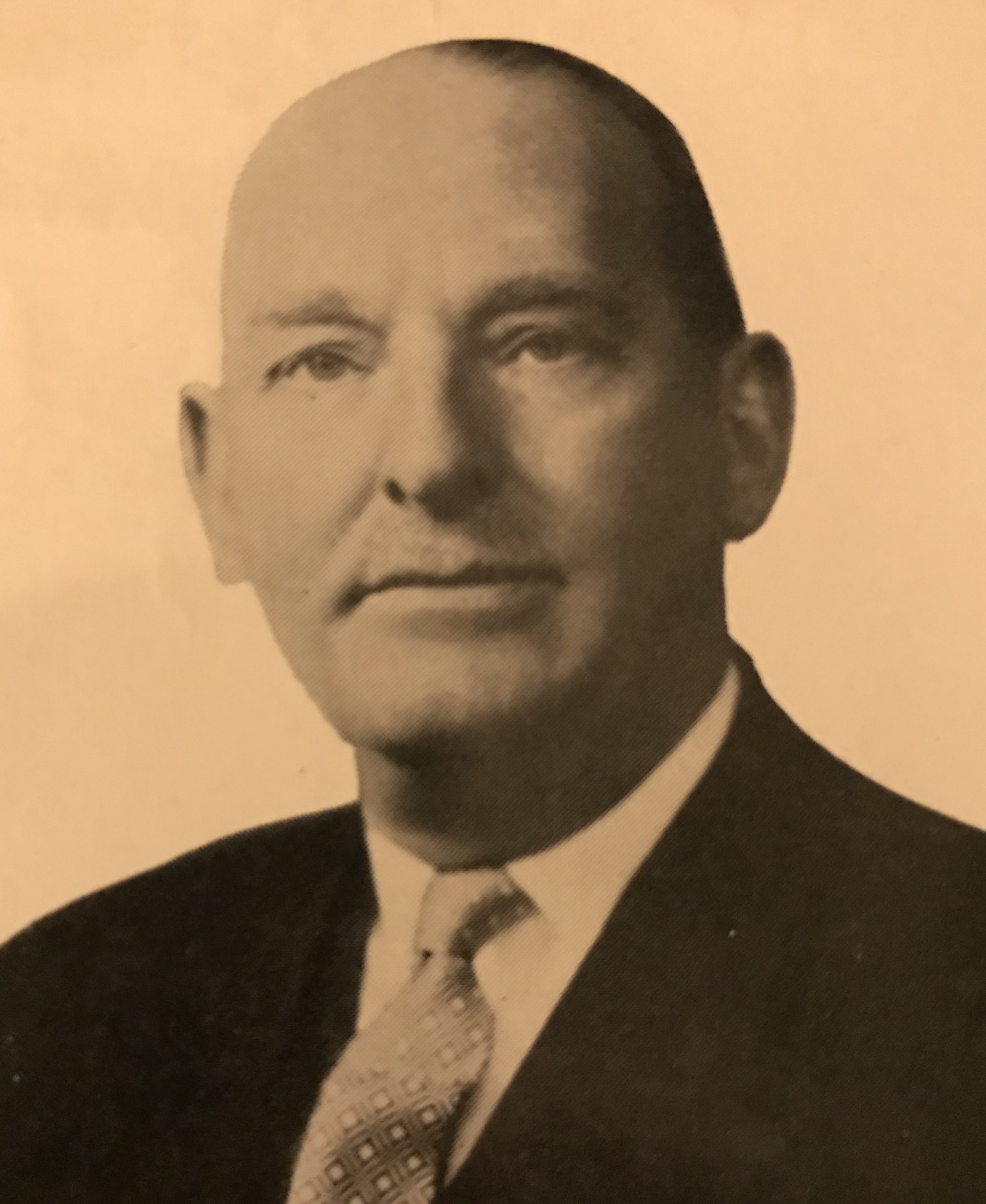
As a prelude to his account of the murder, Colquhoun states that ‘police powers are very limited when it comes to consenting homosexuals’, reflecting the difficulties faced by the police and the legal agencies in securing successful convictions in Scotland. It is difficult to determine whether this was a lament or a simple statement of fact. Vincent’s violent end would be mourned by few, even amongst the police force in Glasgow where Vincent had been in receipt of a commendation from Glasgow police for his ‘tip offs’. Yet, for Colquhoun these actions were undoubtedly an attempt by Vincent to protect him from police investigation. For Colquhoun, Vincent was a predator, often luring ‘a young man, friendless, or alone’ with promises of money, accommodation and a job (Colquhoun refers to this as a ‘baited trap’). This was viewed as risky behaviour and Vincent had himself contacted the police on occasion to report being attacked and robbed by men he had invited home. Indeed, in 1957 he had been assualted and restrained by a 19 year-old man, who then proceeded to rob Vincent of money and goods to the value of £260.
Robert Scott had met Vincent at a motor auction when he was 17, and the two had struck up a friendship sparked by a mutual love of cars. A year or so later, when Scott was called to do his national service, Vincent had unsuccessfully attempted to ‘buy him out of the army’, but after being demobbed Vincent was keen for their friendship to continue. Scott was less keen having become uncomfortable about the older man’s apparent obsession with him, which included pestering him with love letters. Five weeks later, a period during which the men had not met, Scott telelphoned Vincent and arranged a meeting at Vincent’s West End mews flat. According to Scott’s testimony, the older man was in an instant ‘a pleading, desperate figure who had abandoned all dignity’ and who had attempted kiss him. The two men struggled, before Scott strangled the slightly built Vincent, finishing him off with a sock tourniquet.
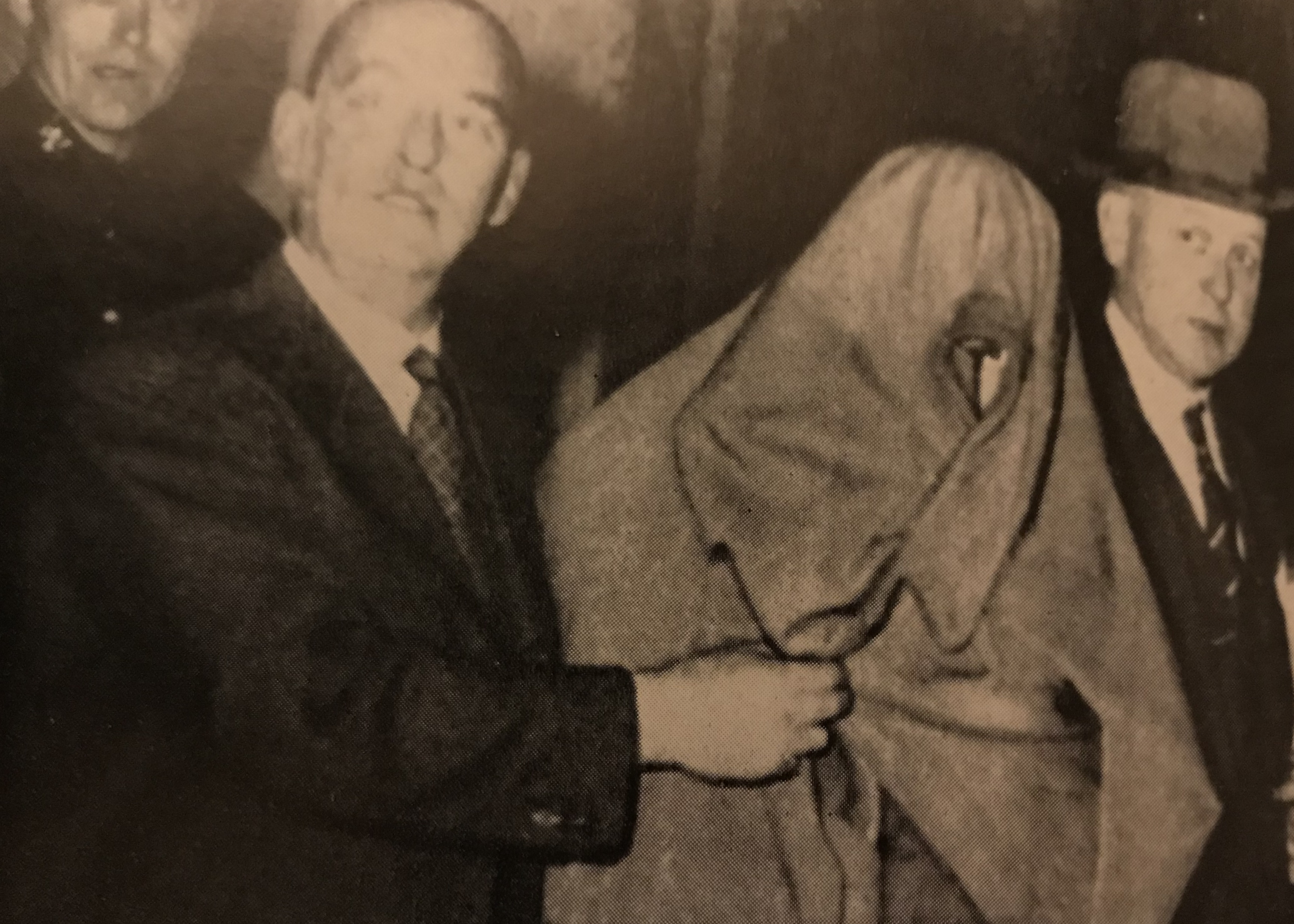
After stealing some valuables from Vincent’s flat, Scott bundled Vincent’s body into the boot of his Sunbeam Alpine and drove it to Longtown in Cumbria, where he abandoned it in a ditch. Phoning the local police, Scott stated “I murdered a man in Glasgow. The body’s in the boot of his car, and I’ll wait till you come.”
At Scott’s trial, the judge, Lord Russell, described the murder as, on one hand, the killing of a worthless man, but stated that the court should not deal in morals. Ultimately, Scott was found guilty and sentenced to life in prison. Eighteen months later Scott was found dead in Perth Prison, having committed suicide. He was described by prison authorities as having been ‘an ideal prisoner’. It is difficult to determine the exact nature of these men’s relationship; Colquhoun ascribed to the view that Vincent was a threat to young working-class men who would be tempted into forming illicit relationships with older men for economic benefit. Andrew Ralston, in his book The Real Taggarts characterises the murder as the result of ‘a deliberate and protracted attempt by an older man to dominate an impressionable youth’, but also highlights the part Vincent’s homosexuality played in proceedings. The former police officer demonstrates considerable empathy for Scott, but none for the victim: “William Vincent died by strangling because he was evil…[the case] show[s] the depravity to which, at times, humans can descend”.
Copyright © Jeff Meek 2013-2024 No part of this site, [QueerScotland.com], may be reproduced in whole or in part in any manner without the permission of the copyright owner.
 Queer Scotland